Understanding the Differences: Sanitization VS Sterilization
Understanding the Differences: Sanitization VS Sterilization
Date Published
Published By
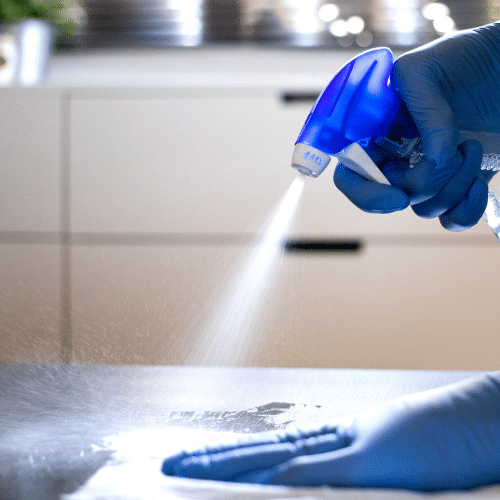
Sanitization and sterilization are two different cleaning processes. Both clean and disinfect surfaces, but they achieve different levels of cleanliness. Sanitization reduces harmful microorganisms to levels considered safe by public health standards. It typically uses chemicals or heat. Sanitized surfaces are safe to use, though some microorganisms may remain.
In medical environments, sanitization is critical because staff and patients frequently touch surfaces. Regular sanitization lowers microbial load between procedures, reduces cross-contamination, and helps prevent healthcare-associated infections. It supports day-to-day safety when full sterilization is not practical.
Sterilization eliminates all microorganisms, including bacteria, viruses, and spores. It uses chemicals, heat, or radiation. Sterilized surfaces contain no living organisms. Medical and laboratory settings use sterilization for instruments and critical areas where preventing disease requires the highest level of cleanliness.
Both processes require regular maintenance. Neither is effective against all microorganisms, including some resistant bacteria.

If you’re a current member of the APP, we’d be happy to provide a 10% discount on your next spore testing order. Please send us an email at [email protected] for details!
Thank you for supporting Woodhouse Laboratories.